Sleeve gastrectomy, a popular weight loss surgery, has gained significant attention globally. This procedure involves removing a large portion of the stomach, leaving a narrow 'sleeve' or tube-like stomach.
Significant weight loss is one of the primary benefits of this surgery. By reducing the stomach size, it limits the amount of food that can be consumed, leading to substantial weight reduction. This, in turn, can improve overall health and reduce the risk of obesity-related complications.
Understanding the benefits of sleeve gastrectomy is crucial for individuals considering this surgery. A well-planned gastric sleeve diet plan is essential for successful weight loss and overall health improvement.
Key Takeaways
- Significant weight loss through reduced stomach size.
- Improved overall health and reduced obesity-related risks.
- Importance of a well-planned diet after surgery.
- Enhanced quality of life through substantial weight reduction.
- Reduced risk of chronic diseases associated with obesity.
- Better mental health and self-esteem.
What is Sleeve Gastrectomy?
Understanding sleeve gastrectomy is crucial for those considering significant weight loss through surgery. This surgical procedure involves removing a large portion of the stomach, leaving a narrow "sleeve" or tube-like stomach. The operation is performed laparoscopically, meaning it requires smaller incisions compared to traditional open surgery, leading to less pain and quicker recovery times.
Overview of the Procedure
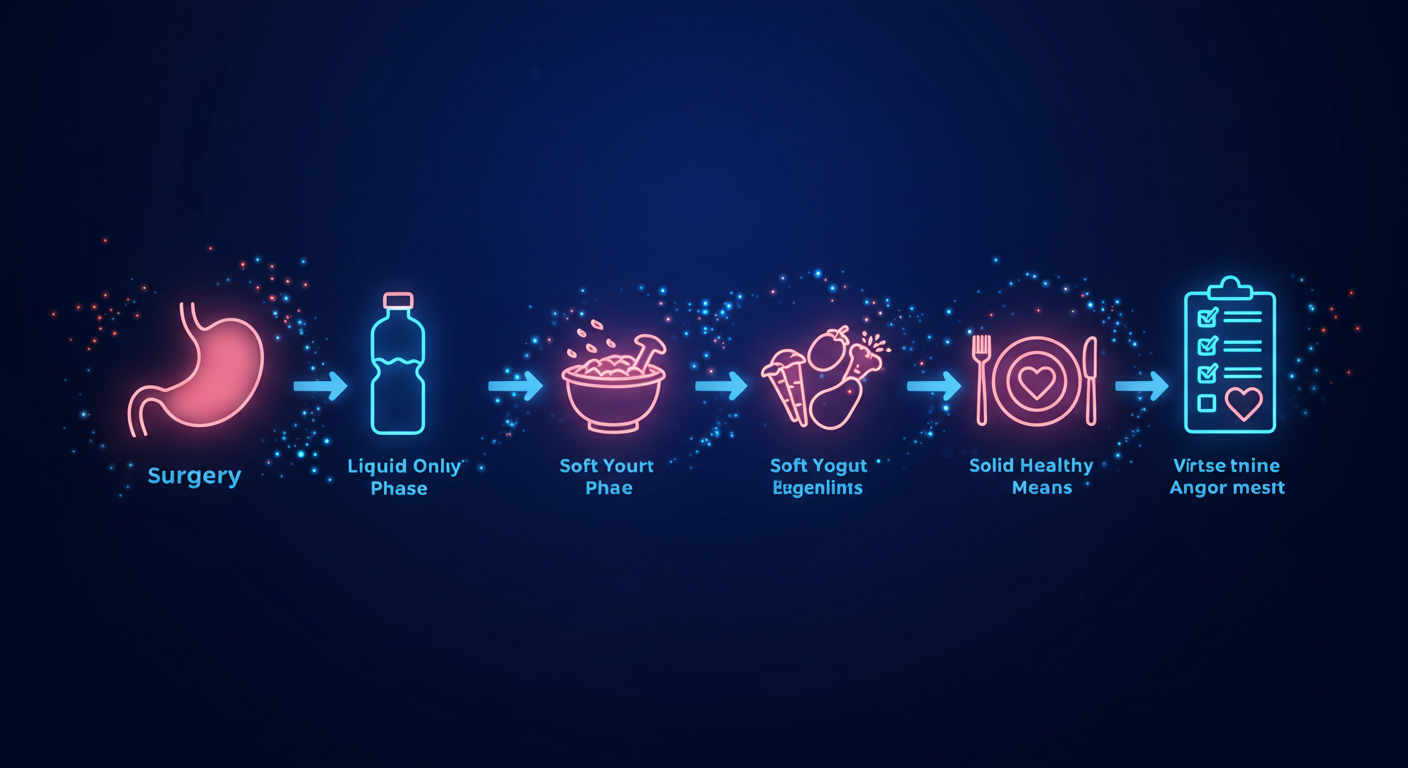
Sleeve gastrectomy is typically performed under general anesthesia and takes about 1-2 hours to complete. The surgeon makes several small incisions in the abdomen, through which surgical instruments and a camera are inserted. The stomach is then divided, and the majority is removed, leaving behind a banana-shaped sleeve. This new stomach sleeve restricts the amount of food a person can eat, thereby aiding in weight loss. Post-operative care includes a strict diet plan, initially consisting of liquids, gradually progressing to soft foods and eventually to regular foods, ensuring the stomach heals properly and minimizing potential complications.
How It Differs from Other Weight Loss Surgeries
Unlike other weight loss surgeries such as gastric bypass, sleeve gastrectomy does not involve rerouting the intestines. This makes it a less complex procedure with potentially fewer complications related to malabsorption. The primary mechanism for weight loss is the reduction in stomach size, which limits food intake. Additionally, the surgery reduces the production of ghrelin, a hormone that stimulates appetite, thereby aiding in weight loss and making it easier to stick to a healthy diet. Patients are advised to follow a bariatric sleeve diet to ensure they are getting the necessary nutrients while adapting to their new stomach size.
Significant Weight Loss Results
One of the most significant benefits of sleeve gastrectomy is its ability to facilitate substantial weight loss. This surgery has been widely recognized for its effectiveness in helping patients achieve significant reductions in body weight, thereby improving their overall health and reducing the risk of obesity-related complications.
The weight loss achieved through sleeve gastrectomy can be attributed to the reduction in the size of the stomach, which limits the amount of food a patient can consume. Additionally, the surgery involves removing a portion of the stomach that produces the hunger hormone ghrelin, thereby reducing appetite and making it easier for patients to adhere to a healthy diet.
Average Weight Loss Statistics
Studies have shown that patients who undergo sleeve gastrectomy typically lose a significant percentage of their excess body weight within the first year after surgery. On average, patients can expect to lose between 50% to 70% of their excess body weight within 12 to 18 months after the procedure.
A well-structured gastric sleeve meal plan is crucial in supporting the weight loss journey. Patients are advised to follow a specific dietary regimen that progresses from liquid to solid foods over a period of time, ensuring that they meet their nutritional needs while adapting to their new stomach size.
Long-Term Success Rates Compared to Other Methods
When comparing the long-term success rates of sleeve gastrectomy to other weight loss methods, it becomes evident that this surgery offers a highly effective solution for sustained weight loss. Unlike dieting or exercise alone, sleeve gastrectomy provides a more durable solution by altering the physiological mechanisms that regulate hunger and satiety.
Research indicates that sleeve gastrectomy can lead to sustained weight loss over several years, with some studies showing that patients maintain a significant percentage of their initial weight loss even five years after the surgery. This long-term success is a testament to the procedure's effectiveness in helping patients achieve a healthier weight and improve their overall quality of life.
It's also worth noting that the success of sleeve gastrectomy is not solely dependent on the surgery itself but also on the patient's commitment to adopting healthier lifestyle habits, including eating after gastric sleeve in a way that is nutritious and conducive to their new stomach anatomy.

Improved Health Conditions
Beyond weight loss, sleeve gastrectomy has been shown to improve several health issues, enhancing the patient's quality of life. One of the significant advantages of this surgery is its positive impact on various health conditions, reducing the risk of developing certain diseases.
After undergoing sleeve gastrectomy, patients often experience significant improvements in their overall health. This is partly due to the substantial weight loss that occurs, which in turn reduces the risk of obesity-related health issues. A healthy diet after gastric sleeve is crucial in maintaining these health benefits, ensuring that patients continue to lose weight and improve their health conditions over time.
Reduction in Type 2 Diabetes Risk
Sleeve gastrectomy has been shown to significantly reduce the risk of type 2 diabetes. Studies have indicated that the surgery can lead to the resolution of type 2 diabetes in many patients, allowing them to control their blood sugar levels without medication. This is a significant benefit, as managing type 2 diabetes can be challenging and often requires lifelong medication.
The reduction in type 2 diabetes risk is attributed to several factors, including significant weight loss and changes in hormonal balances that improve insulin sensitivity. By adopting a post gastric sleeve diet rich in nutrients and low in sugars and unhealthy fats, patients can further enhance their body's ability to regulate blood sugar levels.
Lowering Blood Pressure and Cholesterol Levels
In addition to reducing the risk of type 2 diabetes, sleeve gastrectomy can also lead to improvements in blood pressure and cholesterol levels. The significant weight loss associated with this surgery helps to lower blood pressure, reducing the risk of heart disease and stroke. Moreover, the changes in diet and lifestyle that accompany sleeve gastrectomy can lead to more favorable cholesterol profiles, further contributing to improved health conditions.
- Significant weight loss leads to reduced blood pressure.
- Changes in diet improve cholesterol levels.
- Overall reduction in the risk of cardiovascular diseases.
By maintaining a healthy lifestyle and adhering to the recommended dietary guidelines, patients who have undergone sleeve gastrectomy can enjoy long-term health benefits, enhancing their overall quality of life.
Enhanced Quality of Life
The impact of sleeve gastrectomy extends beyond weight loss, significantly enhancing a person's quality of life. This surgical procedure is not just about reducing body weight; it's about adopting a healthier lifestyle that influences both physical and mental well-being.
As individuals undergo significant weight loss, they often experience a newfound freedom in their daily lives. Simple tasks and activities become easier, and the overall energy levels increase, contributing to an enhanced quality of life.
Physical Activity Benefits
One of the most noticeable improvements after sleeve gastrectomy is the ability to engage in physical activities that were previously challenging or impossible due to excess weight. Patients can enjoy a more active lifestyle, participating in exercises such as walking, jogging, or even more strenuous activities like hiking or swimming. This increase in physical activity not only aids in further weight loss but also improves overall health, reducing the risk of obesity-related conditions.
A gastric sleeve diet plan is crucial in supporting this new active lifestyle. By following a sleeve gastrectomy diet, patients can ensure they are getting the necessary nutrients while maintaining their weight loss progress. This dietary adjustment is key to sustaining the physical activity benefits achieved through the surgery.
Psychological and Emotional Well-being
Beyond the physical benefits, sleeve gastrectomy also has a profound impact on a person's psychological and emotional well-being. The significant weight loss can lead to improved self-esteem and body image, reducing the risk of depression and anxiety. Patients often report feeling more confident in their daily interactions, both personally and professionally.
The improvement in quality of life is not just about the individual; it also affects their loved ones. Family and friends often notice a positive change in the patient's overall demeanor and outlook on life, further enhancing their support and encouragement throughout the post-surgery journey.
Minimal Recovery Time
One of the significant advantages of sleeve gastrectomy is its relatively short recovery period, making it an attractive option for those seeking weight loss surgery. This benefit is largely due to advancements in surgical techniques and the minimally invasive nature of the procedure.
Hospital Stay Duration
Typically, patients undergoing sleeve gastrectomy can expect a hospital stay of 1 to 3 days. This duration allows medical professionals to monitor the patient's initial recovery and address any immediate post-surgical concerns. "The hospital stay is crucial for managing pain and ensuring that there are no complications," notes a leading bariatric surgeon.
Returning to Normal Activities
Most patients can return to their normal activities within 2 to 4 weeks after surgery. However, it's essential to follow a bariatric sleeve diet and gastric sleeve nutrition plan to support the healing process and overall health. The recovery time can vary based on individual health and the specifics of the surgical technique used.
- Follow a liquid diet initially, gradually moving to solid foods.
- Attend follow-up appointments to monitor recovery.
- Engage in light physical activity as recommended by your healthcare provider.
By understanding the recovery process and adhering to post-operative guidelines, patients can optimize their recovery time and improve their overall outcome.
Dietary Changes After Surgery
A well-planned diet after sleeve gastrectomy is essential for achieving and maintaining significant weight loss. After the surgery, your stomach size is significantly reduced, which means you'll need to adjust your eating habits to ensure you're getting the nutrients your body needs without overeating.
Nourishing Your Body
To support your weight loss journey and overall health, it's crucial to follow a specific eating pattern. This includes eating smaller, more frequent meals, choosing nutrient-dense foods, avoiding high-calorie foods, and staying hydrated.
- Eating smaller, more frequent meals to avoid overwhelming your new stomach size.
- Choosing nutrient-dense foods like lean proteins, vegetables, and whole grains.
- Avoiding high-calorie, high-fat, and high-sugar foods that can hinder weight loss.
- Drinking plenty of water throughout the day to stay hydrated.
The Role of Professional Guidance
Nutritional guidance is vital after sleeve gastrectomy. A healthcare professional or a registered dietitian can provide personalized advice on meal planning, ensuring you're getting the necessary vitamins and minerals. They can also help you manage potential nutritional deficiencies and support your overall weight loss goals.
By following these dietary changes and seeking professional nutritional guidance, you can maximize the benefits of your sleeve gastrectomy and enjoy a healthier, more balanced lifestyle.
Management of Hunger Hormones
Hunger hormones play a crucial role in weight management, and sleeve gastrectomy influences these hormones significantly. Understanding how this surgery affects hunger hormones can provide insights into its effectiveness for weight loss.
Role of Ghrelin
Ghrelin is often referred to as the "hunger hormone" because it stimulates appetite. Sleeve gastrectomy reduces the production of ghrelin by removing the part of the stomach where ghrelin is primarily produced. This reduction leads to a decrease in hunger, making it easier for individuals to adhere to a gastric sleeve meal plan and achieve their weight loss goals.
Effect on Appetite Control
The reduction in ghrelin levels after sleeve gastrectomy contributes to improved appetite control. This change, combined with the physical restriction caused by the reduced stomach size, helps individuals feel fuller faster and reduces the likelihood of overeating. As a result, patients often find it easier to follow a sleeve gastrectomy diet and maintain their weight loss over time.
| Hormone | Pre-Surgery Levels | Post-Surgery Levels | Effect on Appetite |
|---|---|---|---|
| Ghrelin | High | Reduced | Decreased Hunger |
| Leptin | Low | Increased | Increased Satiety |
| Insulin | Variable | Improved Sensitivity | Better Glucose Control |
By altering the levels of hunger hormones like ghrelin, sleeve gastrectomy provides a dual approach to weight loss: reducing stomach size and decreasing hunger. This comprehensive approach supports a successful weight loss journey and improves overall health.
A personalized weight loss plan is crucial for achieving successful outcomes after sleeve gastrectomy. This involves understanding the patient's medical history, current health status, and nutritional habits to create a comprehensive plan that addresses their specific needs.
Tailoring the Procedure to Individual Needs
The sleeve gastrectomy procedure can be tailored to individual needs by considering factors such as the patient's starting weight, body composition, and overall health. For instance, patients with a higher BMI may require a more extensive surgical approach, while those with certain health conditions may need adjustments to their post gastric sleeve diet to ensure optimal recovery and weight loss.
A tailored approach also involves adjusting the bariatric sleeve diet to meet the individual's nutritional needs and preferences. This may include guidance on protein intake, vitamin supplementation, and meal frequency to support optimal weight loss and overall health.
Importance of Pre-Operative Assessments
Pre-operative assessments play a critical role in the success of sleeve gastrectomy. These assessments help identify potential risks and complications, allowing healthcare providers to develop strategies to mitigate them. A comprehensive pre-operative assessment includes a thorough medical evaluation, nutritional counseling, and psychological screening to ensure that the patient is prepared for the surgery and the lifestyle changes that follow.
By taking a personalized approach to weight loss, healthcare providers can help patients achieve more successful outcomes and improve their overall quality of life. This approach not only enhances the effectiveness of the surgery but also supports long-term weight loss maintenance and overall well-being.
Support Systems and Resources
The journey to a healthier life post-sleeve gastrectomy is significantly smoother with the right support systems in place. A comprehensive support system is crucial for addressing the various challenges that arise during the recovery and weight loss phases.
Medical Support Teams
A dedicated medical support team is vital for the success of the surgery and the patient's overall well-being. This team typically includes surgeons, nutritionists, and psychologists who work together to provide holistic care.
- Pre-operative care: Preparing the patient for surgery through education and assessments.
- Post-operative care: Monitoring the patient's recovery and addressing any complications.
- Ongoing support: Providing continued guidance on dietary changes and lifestyle adjustments.
Nutritional Counseling and Support Groups
Nutritional counseling is a key component of the support system, helping patients understand and adapt to the gastric sleeve nutrition requirements. Support groups, on the other hand, offer a community where individuals can share their experiences and challenges.
- Understanding the importance of a healthy diet after gastric sleeve surgery.
- Learning how to manage food intake and avoid nutritional deficiencies.
- Finding emotional support and motivation through shared experiences.
By leveraging these support systems, individuals can significantly enhance their chances of successful weight loss and improved overall health.
Cost Considerations and Insurance Coverage
Understanding the financial aspects of sleeve gastrectomy is crucial for individuals considering this weight loss surgery. The cost of the procedure can vary significantly based on factors such as location, surgeon's fees, and hospital charges.
Financial Aspects of Sleeve Gastrectomy
The average cost of sleeve gastrectomy can range widely. It's essential to factor in not just the surgery itself but also pre-operative assessments, post-operative care, and any necessary dietary adjustments, including following a strict sleeve gastrectomy diet or gastric sleeve diet plan.
Insurance and Coverage
Many insurance providers cover sleeve gastrectomy, but the extent of coverage can vary. It's vital to check with your insurance provider to understand their policies and any out-of-pocket expenses you may incur. Cost considerations should also include the potential long-term savings from reduced healthcare costs due to improved health conditions.