Embarking on a journey after weight loss surgery is a life-changing decision. Individuals who have undergone bariatric surgery share their transformative experiences, revealing the impact it has had on their lives.
For many, weight loss surgery is more than just a medical procedure; it's a new beginning. It's an opportunity to address the complex factors contributing to obesity and adopt a healthier lifestyle.
Real stories from individuals who have taken this brave step highlight the challenges and triumphs they face. Understanding these stories can provide valuable insights into the complexities of weight loss and the various obesity factors involved.
Key Takeaways
- Weight loss surgery is a life-changing decision that requires careful consideration.
- Bariatric surgery can have a significant impact on an individual's quality of life.
- Understanding the factors contributing to obesity is crucial for successful weight loss.
- Real stories from individuals who have undergone weight loss surgery provide valuable insights.
- Adopting a healthier lifestyle is key to maintaining weight loss after surgery.
Understanding Bariatric Surgery and Its Benefits
Obesity is a multifaceted health issue, and bariatric surgery is increasingly being considered as an effective treatment option. It is essential to understand the various aspects of bariatric surgery, including its definition, types, and the benefits it offers.
What is Bariatric Surgery?
Bariatric surgery, also known as weight loss surgery, refers to a group of surgical procedures performed to aid in weight loss for individuals who are obese and have other health issues due to their weight. These surgeries work by altering the digestive system to limit food intake or absorption, thereby helping individuals lose weight.
The decision to undergo bariatric surgery is significant and involves understanding the reasons for obesity and how surgery can address these underlying issues. It's not just about losing weight; it's about improving overall health and reducing the risk of obesity-related diseases.
Types of Bariatric Procedures
There are several types of bariatric surgical procedures, each with its unique characteristics and benefits. The most common types include:
- Roux-en-Y Gastric Bypass: This is one of the most common bariatric surgeries, involving creating a small pouch from the stomach and connecting it directly to the small intestine.
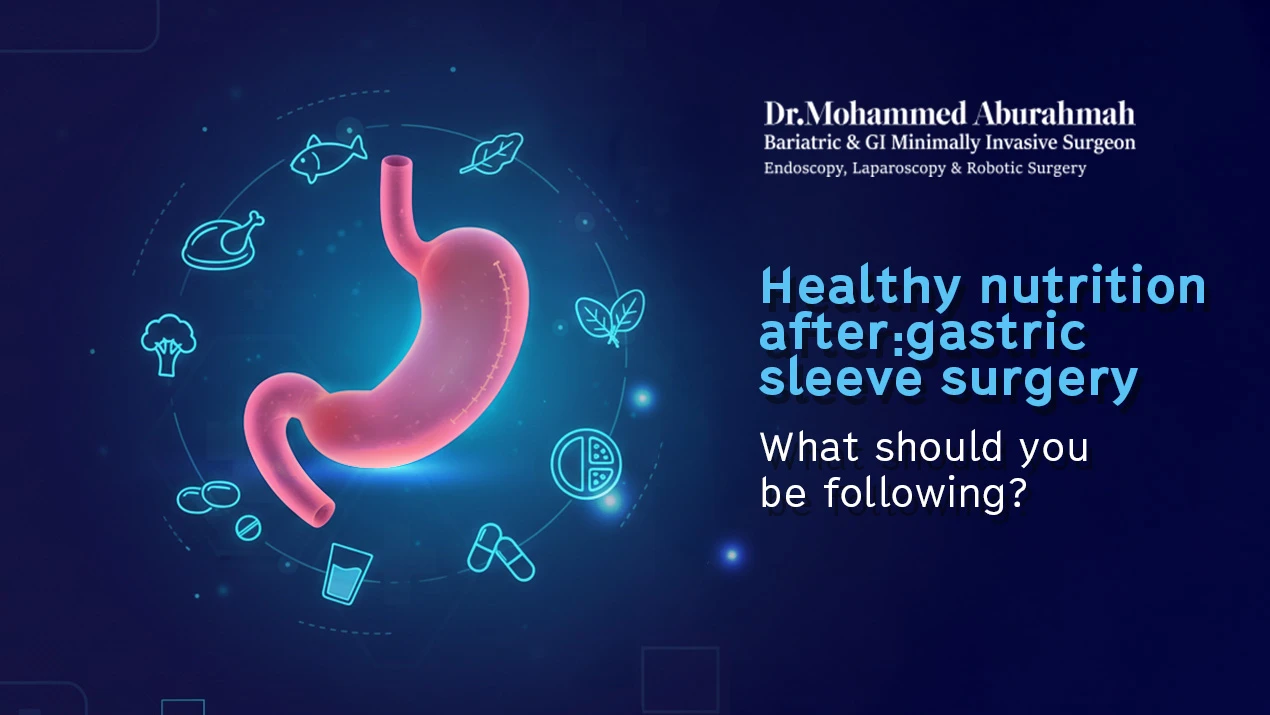
- Sleeve Gastrectomy: This procedure involves removing a large portion of the stomach, leaving a narrow "sleeve" or tube-like stomach.
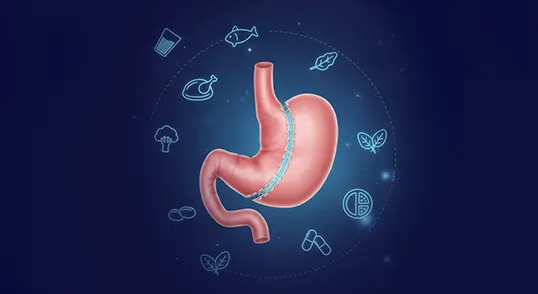
- Adjustable Gastric Banding: This involves placing a band around the upper part of the stomach to create a small pouch to restrict food intake.
Expected Health Improvements
Bariatric surgery can lead to significant weight loss and improvement in various health conditions associated with obesity. Some of the expected health improvements include:
- Reduction in blood pressure
- Improved blood sugar control or remission of type 2 diabetes
- Reduction in cholesterol levels
- Improvement in sleep apnea
Understanding these benefits is crucial for individuals considering bariatric surgery, as it helps them make an informed decision about their treatment options.
The Psychological Impact of Weight Loss
The journey of weight loss, particularly with bariatric surgery, is not just physical but also deeply psychological. As individuals shed pounds, they often experience a significant shift in their mental and emotional well-being.
Boosting Self-Esteem and Confidence
One of the most immediate psychological impacts of weight loss is the boost in self-esteem and confidence. As individuals see changes in their body, they often feel more capable and empowered. This newfound confidence can translate into various aspects of life, from personal relationships to professional endeavors.
For many, the process of losing weight and adopting a healthier lifestyle fosters a sense of accomplishment. This can be particularly true for those who have struggled with obesity, as they overcome obesity triggers that previously hindered their ability to manage their weight.
| Psychological Benefits | Description |
|---|---|
| Boosted Self-Esteem | Feeling more confident and positive about oneself |
| Overcoming Emotional Eating | Learning to manage emotions without turning to food |
| Positive Mindset | Adopting a more optimistic outlook on life |
Overcoming Emotional Eating
Many individuals who undergo significant weight loss, especially after bariatric surgery, find that they must confront and overcome emotional eating habits. This process involves recognizing the emotional triggers that lead to eating and developing healthier coping mechanisms.
- Identifying emotional triggers
- Developing alternative coping strategies
- Seeking support from professionals or support groups

Developing a Positive Mindset
As individuals progress on their weight loss journey, they often report a shift towards a more positive mindset. This can be attributed to the combination of physical changes, improved health, and the psychological boost from overcoming challenges. A positive mindset is crucial for maintaining long-term weight loss and overall well-being.
By understanding and addressing the psychological aspects of weight loss, individuals can better navigate their journey and achieve a more fulfilling life.
Adjusting to a New Diet Post-Surgery
The journey to a healthier you begins with dietary changes after weight loss surgery. After bariatric surgery, patients must adapt to a new diet to ensure successful weight loss and overall health. This involves making significant changes to their eating habits, focusing on nutrient-rich foods that help manage factors contributing to obesity.
Nutritional Changes for a Healthier Tomorrow
Post-bariatric surgery, the diet typically progresses through several stages, starting with liquids, then moving to pureed foods, and eventually to solid foods. Recommended nutritional changes include consuming high-protein foods, avoiding sugary and fatty foods, and eating smaller, more frequent meals. These changes are crucial for managing weight loss and addressing factors that contribute to obesity
A well-planned diet helps in reducing the risk of complications and supports overall health. Key dietary adjustments include:
- Focusing on lean proteins like poultry, fish, and eggs
- Incorporating a variety of vegetables and fruits
- Avoiding high-calorie snacks and beverages
- Drinking plenty of water throughout the day
The Importance of Meal Planning
Meal planning is a critical aspect of post-bariatric surgery care. It involves creating a meal schedule that ensures patients get the necessary nutrients without overeating. Effective meal planning helps in maintaining a healthy weight, supports overall well-being, and reduces the risk of nutritional deficiencies.
To plan meals effectively, patients can:
- Prepare meals in advance to avoid last-minute, unhealthy choices
- Keep a food diary to track eating habits and identify patterns
- Consult with a nutritionist to develop a personalized meal plan
Staying Hydrated
Staying hydrated is vital after bariatric surgery. Drinking enough water helps in digestion, prevents dehydration, and supports overall health. Patients are advised to drink water regularly throughout the day, aiming for at least 8 cups (64 ounces) daily.
Tips for staying hydrated include:
- Carrying a water bottle to remind you to drink water
- Avoiding drinking during meals to prevent discomfort
- Monitoring urine output to ensure it's pale yellow or clear
The Role of Physical Activity in Recovery
As part of a comprehensive recovery plan, physical activity helps mitigate obesity risk factors and supports overall health. After undergoing bariatric surgery, patients often experience significant weight loss, but it's equally important to focus on adopting a healthier lifestyle that includes regular physical activity.
Starting an Exercise Routine
Initiating an exercise routine post-bariatric surgery should be done gradually. It's essential to start with low-intensity activities such as walking or light stretching and gradually increase the intensity and duration as your body allows. Before beginning any new exercise program, it's crucial to consult with your healthcare provider to ensure you're making appropriate choices for your recovery.
Some key considerations when starting an exercise routine include:
- Listening to your body and not pushing yourself too hard, too fast.
- Staying hydrated before, during, and after exercise.
- Choosing activities that you enjoy to help maintain motivation.
Finding Activities You Enjoy
Engaging in physical activities that bring you joy is vital for long-term adherence. Whether it's swimming, cycling, or dancing, finding an enjoyable exercise routine can make a significant difference in your ability to stick with it. As one bariatric surgery patient noted, "Finding an exercise I loved was a game-changer for me. It made staying active feel less like a chore."
Maintaining Motivation
Maintaining motivation over time can be challenging, but there are several strategies that can help. Setting realistic goals, tracking your progress, and celebrating small achievements are effective ways to stay motivated. Additionally, connecting with others who have undergone similar experiences through support groups can provide encouragement and accountability.
"Exercise is a celebration of what your body can do, not a punishment for what you ate." - Unknown
By incorporating physical activity into your lifestyle, you're not only enhancing your recovery from bariatric surgery but also significantly improving your overall health and well-being. Regular physical activity can help reduce obesity risk factors, improve mental health, and increase your life expectancy.
Building a Support System
Having a strong support network can make a significant difference in the recovery and weight loss journey after bariatric surgery. A comprehensive support system helps individuals stay motivated, overcome challenges, and maintain their weight loss over time.
Connecting with Support Groups
Joining a support group can be incredibly beneficial for individuals who have undergone bariatric surgery. These groups provide a safe space to share experiences, ask questions, and receive support from others who are going through similar challenges. Support groups can be found in local communities or online, offering flexibility and accessibility.
Benefits of Support Groups:
- Emotional support and understanding
- Shared experiences and advice
- Motivation and accountability
The Importance of Family and Friends
Family and friends play a vital role in an individual's weight loss journey. Their support and encouragement can significantly impact one's ability to adhere to dietary changes and exercise routines. It's essential for individuals to communicate their needs and involve their loved ones in their journey.
Tips for Involving Family and Friends:
- Educate them about bariatric surgery and its effects
- Ask for their support and encouragement
- Involve them in meal planning and preparation
Online Communities and Resources
In addition to in-person support groups, online communities and resources can provide valuable information and support. Online forums, social media groups, and dedicated websites offer a wealth of knowledge and connect individuals with others who share similar experiences.
Popular Online Resources:
- Forums dedicated to bariatric surgery
- Social media groups for support and motivation
- Websites offering nutritional advice and recipes
Understanding the obesity origins and having the right support can make a significant difference in one's journey towards a healthier life. By leveraging support groups, family, friends, and online resources, individuals can build a robust support system that helps them navigate the challenges of bariatric surgery and achieve long-term success.
Managing Changes in Relationships
The journey after weight loss surgery is not just about physical transformation; it also involves navigating changes in relationships. As individuals undergo significant weight loss, their personal and professional relationships can be impacted in various ways.
Navigating Friendships After Weight Loss
Friendships can be particularly challenging to navigate post-weight loss surgery. Friends may struggle to adjust to the new dynamic, and in some cases, friendships may drift apart. It's essential to surround yourself with supportive individuals who encourage and understand your journey. Joining support groups can also provide a sense of community and help you connect with others who are going through similar experiences.
On the other hand, some friendships may deepen as you and your friends grow together through this significant life change. Open communication is key to maintaining healthy friendships during this period.
Discussing Changes with Family
Family relationships can also undergo significant changes. Discussing your weight loss journey and the changes you're experiencing with your family can help them understand your new needs and boundaries. It's crucial to involve your family in your support system, as their understanding and encouragement can play a significant role in your overall success.
Family members may need guidance on how to support you effectively, so sharing your goals and challenges with them can foster a more supportive environment.
Dating and New Relationships
Dating after weight loss surgery can be a daunting prospect for many. The emotional readiness to start dating again varies from person to person. It's essential to take the time to understand your own emotional state and be confident in your new identity before entering the dating scene.
When you do start dating, being open about your weight loss journey can help attract people with similar values and interests. Honesty and confidence are attractive qualities that can make a significant difference in forming meaningful connections.
Understanding how these changes are determinants of one's overall happiness and health is crucial. By navigating these changes thoughtfully, individuals can foster healthier, more fulfilling relationships that support their overall well-being.
The Journey of Self-Discovery
As individuals recover from bariatric surgery, they often find themselves on a path of self-discovery, exploring new hobbies and interests. This journey is not just about physical transformation but also about understanding the underlying causes of obesity and how they have impacted one's life. It's a process of healing, growth, and transformation.
Discovering New Passions
Exploring new hobbies and interests is a significant part of the self-discovery journey. After bariatric surgery, individuals often find they have more energy and a renewed sense of purpose. This can lead to trying new activities such as:
- Painting or drawing
- Joining a sports team or club
- Taking up gardening or hiking
- Cooking or baking
These new hobbies not only provide a sense of accomplishment but also help in building a more fulfilling life. They offer opportunities to meet new people and form connections, further enhancing the overall well-being.
Setting and Achieving Personal Goals
Setting personal goals is another crucial aspect of the self-discovery journey. These goals can range from health and fitness objectives to personal and professional aspirations. It's essential to set realistic and achievable goals to maintain motivation and track progress.
Some examples of personal goals include:
- Improving physical fitness through regular exercise
- Learning a new skill or hobby
- Advancing in a career or starting a new business
- Building stronger relationships with family and friends
Achieving these goals not only boosts confidence but also contributes to a more satisfying and purposeful life.
Embracing New Experiences
Embracing new experiences is vital for continued growth and self-discovery. After bariatric surgery, individuals are often more open to trying new things and stepping out of their comfort zones. This can lead to:
- Traveling to new places
- Trying new foods and cuisines
- Participating in social events and gatherings
- Engaging in personal development activities
By embracing new experiences, individuals can continue to grow and evolve, leading to a more enriched and fulfilling life.
Addressing Common Challenges
As individuals navigate life after bariatric surgery, they may encounter a range of challenges that require careful management. These challenges can vary from physical issues such as loose skin to more lifestyle-related concerns like preventing weight regain.
Dealing with Loose Skin
One of the common physical challenges after significant weight loss is dealing with loose skin. This condition occurs because the skin has been stretched over a long period and may not snap back into place after weight loss. While it can be a cosmetic concern, it can also lead to discomfort and other health issues. Options for managing loose skin include surgical removal or tightening, as well as non-surgical treatments aimed at improving skin elasticity.
Fighting Weight Loss Plateaus
A weight loss plateau is a period where weight loss progress stalls despite adherence to dietary changes and exercise. This can be frustrating and demotivating for individuals who have seen significant weight loss post-surgery. To overcome a plateau, it's essential to reassess dietary habits and physical activity levels. Sometimes, adjustments such as changing the type of exercise or revising meal plans can help restart weight loss.
Preventing Weight Regain
Preventing weight regain is crucial for maintaining the health benefits achieved through bariatric surgery. A combination of healthy eating habits, regular physical activity, and ongoing support is key to long-term success. It's also important to monitor weight regularly and make adjustments as needed to stay on track.
Understanding the factors that contribute to obesity and being proactive about managing them can significantly improve the outcomes of bariatric surgery. By addressing challenges such as loose skin, weight loss plateaus, and weight regain, individuals can enjoy a healthier, more fulfilling life post-surgery.
Inspiring Real-Life Transformations
Real-life transformations after bariatric surgery are a testament to the power of this medical intervention, with numerous success stories from Saudi Arabia. These stories not only inspire others who are considering the surgery but also highlight the significant impact it has on individuals' lives.
Bariatric surgery addresses various reasons for obesity, including genetic factors, hormonal imbalances, and lifestyle issues. By understanding these obesity triggers, individuals can better prepare themselves for the surgery and the subsequent lifestyle changes.
Success Stories from Saudi Arabia
Many individuals in Saudi Arabia have undergone bariatric surgery, achieving significant weight loss and improving their overall health. For instance, a study published in a local medical journal highlighted the case of a 35-year-old woman who lost over 50 kg after undergoing gastric bypass surgery.
- Improved health conditions, such as reduced blood pressure and improved blood sugar levels
- Enhanced mental well-being and increased self-confidence
- Better overall quality of life, with increased mobility and energy levels
These success stories demonstrate the potential benefits of bariatric surgery and serve as a motivation for others considering the procedure.
Lessons Learned Along the Way
Patients who have undergone bariatric surgery in Saudi Arabia have shared valuable insights and lessons learned during their journey. One key takeaway is the importance of preparing for the lifestyle changes that follow the surgery.
- Adhering to a strict dietary plan to ensure optimal nutrition
- Engaging in regular physical activity to maintain weight loss and overall health
- Seeking support from family, friends, and support groups to cope with the emotional aspects of the journey
By understanding these lessons, individuals can better navigate their own bariatric surgery journey.
Tips from Bariatric Surgery Patients
Bariatric surgery patients from Saudi Arabia have shared their top tips for a successful recovery and long-term weight loss. These include:
- Staying hydrated by drinking plenty of water
- Eating small, frequent meals to avoid discomfort and nutritional deficiencies
- Being mindful of portion sizes and avoiding overeating
By following these tips, individuals can maximize the benefits of their bariatric surgery and achieve a healthier, more fulfilling life.
Moving Forward: Long-term Health Considerations
After undergoing bariatric surgery, individuals must remain committed to their health and wellness journey. Managing factors contributing to obesity and mitigating obesity risk factors is crucial for long-term success.
Regular Health Monitoring
Regular medical check-ups play a vital role in monitoring overall health and addressing any potential complications early on. This proactive approach helps in maintaining the benefits achieved through surgery.
Mental Health Support
Ongoing mental health support is essential for individuals to cope with the emotional aspects of their weight loss journey. This support helps in developing a positive mindset and overcoming emotional eating habits.
Lifelong Commitment
Adopting a lifelong commitment to wellness is critical. This involves making sustainable lifestyle changes, including a balanced diet and regular physical activity, to ensure continued health improvements and mitigate obesity risk factors.