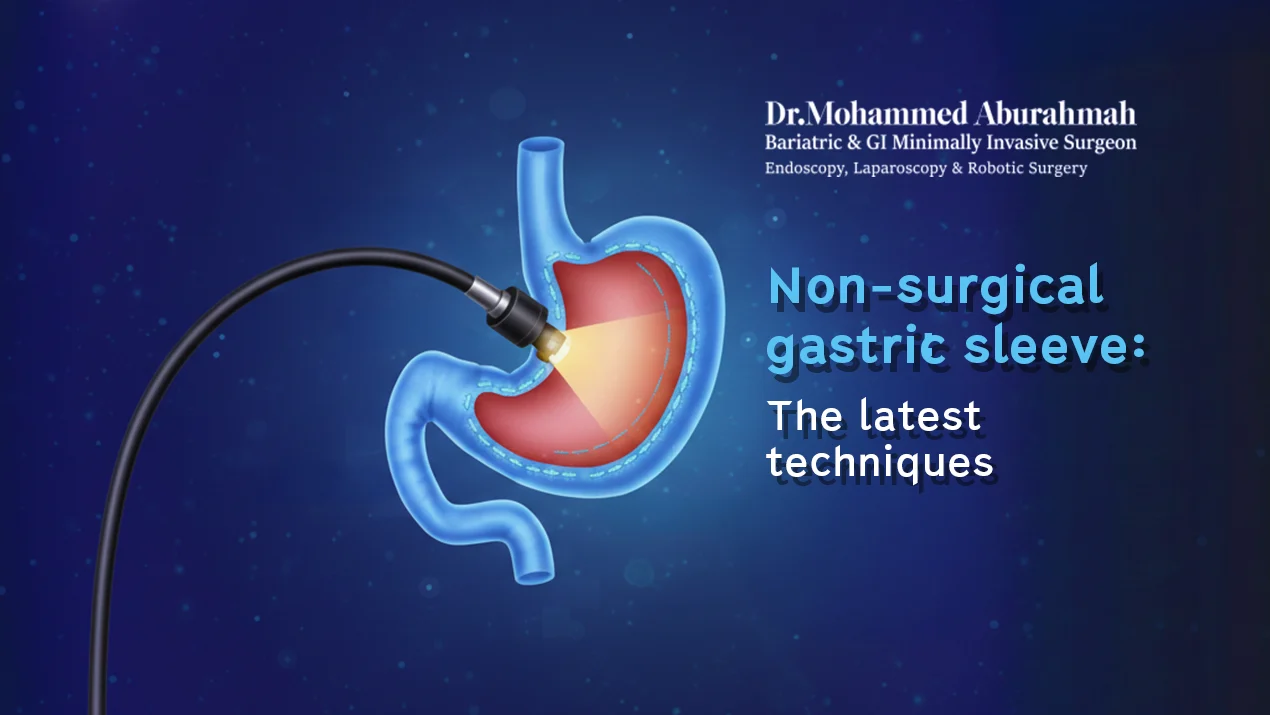
Gastric sleeve surgery, also known as sleeve gastrectomy, is a popular weight-loss procedure that has gained significant attention in recent years. However, like any surgical intervention, it is not without its complications.
Understanding the potential risks associated with this surgery is crucial for making an informed decision. The complications can range from immediate surgical issues to long-term health concerns. Being aware of these risks will help you prepare for the procedure and the postoperative period.
It's essential to consider these factors to ensure you're making the best decision for your health. A thorough understanding of the potential risks will enable you to navigate the process with confidence.
Key Takeaways
- Gastric sleeve surgery carries potential risks and complications.
- Understanding these risks is crucial for informed decision-making.
- The complications can be immediate or long-term.
- Being aware of the risks helps in preparing for the procedure and postoperative period.
- A thorough understanding enables navigating the process with confidence.
Understanding Gastric Sleeve Surgery
Gastric sleeve surgery, also known as sleeve gastrectomy, is a surgical procedure that has gained popularity for its effectiveness in weight loss. This operation involves removing a significant portion of the stomach, leaving a narrow 'sleeve' or tube-like stomach. Understanding the intricacies of gastric sleeve surgery is essential for individuals considering this significant step towards weight loss.
What is Gastric Sleeve Surgery?
Gastric sleeve surgery is a type of weight loss surgery that involves the irreversible removal of a large portion of the stomach, resulting in a smaller, sleeve-shaped stomach. This reduction in stomach size limits the amount of food that can be consumed, thereby aiding in weight loss. The procedure is typically performed laparoscopically, involving small incisions and the use of a camera to guide the surgery.
How Does It Work?
The surgery works by restricting the amount of food intake and also by affecting hunger hormones, leading to reduced hunger and increased feelings of fullness. The procedure involves several key steps:
- The stomach is divided and stapled using a special stapler.
- A significant portion of the stomach is removed.
- The remaining 'sleeve' is closed with staples or sutures.
Understanding how gastric sleeve surgery works is crucial for managing expectations and preparing for the lifestyle changes that follow the procedure.
Who is a Suitable Candidate?
Suitable candidates for gastric sleeve surgery are typically those with a BMI of 40 or higher, or those with a BMI of 35 or higher who also have obesity-related health conditions such as diabetes or high blood pressure. The decision to undergo surgery is made on a case-by-case basis, taking into account the individual's overall health and medical history.
| Candidate Criteria | Description |
|---|---|
| BMI | 40 or higher, or 35 or higher with health conditions |
| Health Conditions | Obesity-related conditions like diabetes, high blood pressure |
| Previous Attempts | Previous attempts at weight loss through diet and exercise |
It's essential for potential candidates to consult with a healthcare professional to determine their suitability for gastric sleeve surgery and to discuss the potential risks of gastric sleeve and the necessary lifestyle adjustments post-surgery.
Potential Surgical Risks
As with any major surgery, gastric sleeve surgery has its risks, including complications during and after the operation. Patients considering this procedure should be aware of the potential gastric sleeve dangers to make an informed decision.
Infection and Complications
Infection is a significant risk with any invasive surgery, including gastric sleeve surgery. Complications can arise from the surgery itself, such as leakage from the staple line or issues related to the surgical technique. These complications can lead to further gastric sleeve side effects, including prolonged hospital stays and additional surgeries.
Anesthesia Risks
Anesthesia risks, although rare, can be serious and include respiratory problems, allergic reactions, and even death. It's crucial for patients to discuss their medical history and any concerns with their anesthesiologist to minimize these risks.
Excessive Bleeding
Excessive bleeding during or after surgery is another risk that needs to be considered. This can lead to the need for blood transfusions and, in severe cases, additional surgical interventions to control the bleeding.
The following table summarizes the potential surgical risks associated with gastric sleeve surgery:
| Risk | Description | Potential Consequences |
|---|---|---|
| Infection and Complications | Infection or leakage from the staple line | Prolonged hospital stay, additional surgeries |
| Anesthesia Risks | Respiratory problems, allergic reactions | Serious health complications, death |
| Excessive Bleeding | Bleeding during or after surgery | Need for blood transfusions, additional surgeries |
Long-term Health Risks
Understanding the long-term health risks of gastric sleeve surgery is crucial for patients considering this weight loss option. While the procedure can lead to significant weight loss, it's essential to be aware of the potential complications that can arise in the long term.
Nutritional Deficiencies
One of the significant long-term risks of gastric sleeve surgery is the development of nutritional deficiencies. The reduced stomach size and altered digestive process can lead to inadequate absorption of essential nutrients, including vitamins and minerals. Patients are often required to take supplements to mitigate this risk.
Nutritional deficiencies to watch out for include:
- Vitamin B12 deficiency
- Iron deficiency
- Calcium deficiency
- Vitamin D deficiency
| Nutritional Deficiency | Symptoms | Prevention/Treatment |
|---|---|---|
| Vitamin B12 Deficiency | Fatigue, weakness, neurological changes | Vitamin B12 supplements, regular monitoring |
| Iron Deficiency | Anemia, fatigue, shortness of breath | Iron supplements, dietary adjustments |

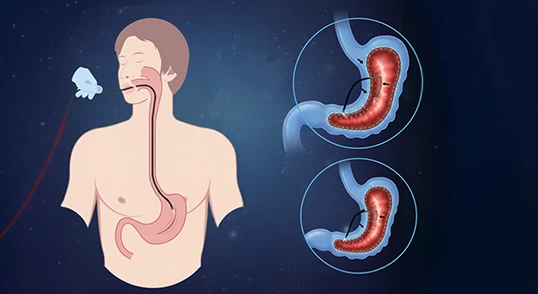
Gastroesophageal Reflux Disease (GERD)
GERD is another potential long-term complication of gastric sleeve surgery. This condition occurs when stomach acid flows back into the esophagus, causing discomfort and potentially leading to more serious issues. Lifestyle changes and medical treatment can help manage GERD symptoms.
Symptoms of GERD include:
- Heartburn
- Regurgitation of food
- Difficulty swallowing
Weight Regain Over Time
Weight regain is a potential long-term risk if patients do not adhere to the recommended dietary and lifestyle changes post-surgery. Regular follow-up with healthcare providers and maintaining a healthy lifestyle are crucial to sustaining weight loss.
Strategies to prevent weight regain include:
- Following a balanced diet
- Engaging in regular physical activity
- Attending follow-up appointments with healthcare providers
Psychological Considerations
Gastric sleeve surgery is not just a physical transformation; it also has profound psychological implications. As patients undergo this significant change, they must consider the potential effects on their mental health and overall well-being.
Impact on Mental Health
The relationship between gastric sleeve surgery and mental health is complex. While some individuals experience improvements in their mental health due to weight loss and enhanced physical health, others may face challenges such as depression or anxiety. It's crucial for patients to be aware of these potential changes to prepare themselves for the journey ahead.
Relationship with Food
Post-surgery, patients often need to make significant adjustments to their eating habits. This change can be challenging, as it requires a new relationship with food. Patients must learn to eat smaller, more frequent meals and avoid certain foods that could cause discomfort or complications. This adjustment period can be emotionally taxing, making a supportive environment crucial.
Support Systems and Counseling
Having a strong support system in place is vital for navigating the psychological aspects of gastric sleeve surgery. This support can come from family, friends, or professional counseling services. Counseling can provide patients with the tools they need to cope with the emotional challenges that arise during their weight loss journey. It's an essential component of holistic care, ensuring that patients receive the support they need for both their physical and mental health.
In conclusion, while gastric sleeve surgery offers many benefits, it's essential to consider the psychological implications. By understanding the potential impact on mental health, the change in the relationship with food, and the importance of support systems, patients can better prepare themselves for a successful outcome. This comprehensive approach to care helps mitigate the risks of gastric sleeve procedure, leading to a more positive experience overall.
Postoperative Complications
Understanding the potential postoperative complications of gastric sleeve surgery is crucial for managing patient expectations and outcomes. While gastric sleeve surgery is a highly effective weight loss solution, it's not without risks. Being aware of these complications can help patients and healthcare providers take necessary precautions and manage any issues that arise promptly.
Narrowing of the Stomach Sleeve (Stenosis)
One of the complications that can occur after gastric sleeve surgery is stenosis, or narrowing, of the stomach sleeve. This can lead to obstruction, making it difficult for food to pass through. Symptoms may include persistent vomiting, abdominal pain, and difficulty swallowing. Early detection is key to managing stenosis effectively.
- Symptoms to watch for: Persistent vomiting, abdominal pain, difficulty swallowing
- Treatment options: May include endoscopic dilation to widen the narrowed area
Internal Leak Risks
Another serious complication is an internal leak, where the staple line fails, leading to leakage of stomach contents. This can result in severe infection and requires immediate medical attention. Recognizing the signs early is crucial for effective management.
- Signs of an internal leak: Fever, abdominal pain, tachycardia
- Diagnostic tests: May include CT scans with oral contrast
- Treatment: Often requires surgical intervention to repair the leak
Thromboembolism Risks
Thromboembolism, or the formation of blood clots, is a risk following gastric sleeve surgery, particularly in the legs (deep vein thrombosis) or lungs (pulmonary embolism). Preventive measures such as anticoagulant medications, compression stockings, and early mobilization can reduce this risk.
- Risk factors: Obesity, smoking, history of blood clots
- Prevention strategies: Anticoagulant medications, compression stockings, early mobilization
- Symptoms to watch for: Leg swelling, pain, shortness of breath
By understanding these potential postoperative complications, patients can better navigate their recovery journey. It's essential for patients to follow their healthcare provider's instructions closely and report any concerning symptoms promptly.
Lifestyle Changes After Surgery
Embracing a new lifestyle is a critical step towards achieving and maintaining weight loss after gastric sleeve surgery. To mitigate the potential risks of gastric sleeve surgery, significant changes are necessary post-surgery.
Dietary Modifications
A crucial aspect of post-surgery lifestyle changes involves dietary modifications. Patients must shift towards a healthier, more balanced diet, focusing on nutrient-rich foods rather than high-calorie or high-fat options. This not only aids in weight loss but also helps in managing gastric sleeve side effects.
- Eat smaller, more frequent meals to adjust to the new stomach size.
- Choose foods high in protein, vitamins, and minerals.
- Avoid foods high in sugar and fat.
Importance of Physical Activity
Physical activity is another vital component of post-gastric sleeve surgery lifestyle changes. Regular exercise not only enhances weight loss but also improves overall health, reducing the risk of complications and improving mental well-being.
- Start with low-intensity exercises such as walking or yoga.
- Gradually increase the intensity and duration of workouts.
- Aim for at least 150 minutes of moderate-intensity exercise per week.
Regular Medical Follow-ups
Regular medical follow-ups are essential to monitor progress, address any complications early, and make necessary adjustments to the treatment plan. These visits help in ensuring that the patient is on track with their weight loss journey and in minimizing potential risks of gastric sleeve surgery.
- Schedule regular check-ups with your healthcare provider.
- Report any unusual symptoms or concerns.
- Adjust your lifestyle plan as recommended by your healthcare provider.
By embracing these lifestyle changes, individuals can maximize the benefits of gastric sleeve surgery while minimizing its risks. It's a journey that requires commitment, patience, and the right support system.
Choosing the Right Surgeon
Selecting a qualified surgeon is crucial in minimizing the risks of gastric sleeve surgery. A skilled surgeon can significantly impact the outcome of the procedure, ensuring a safer and more effective experience.
Expertise and Credentials
When searching for a surgeon, consider their qualifications, experience, and expertise in performing gastric sleeve surgeries. Look for surgeons who are board-certified and have a proven track record of successful procedures.
Patient Feedback
Patient reviews and testimonials can provide valuable insights into a surgeon's competence and patient care. Research online reviews and ask for referrals to get a well-rounded understanding of a surgeon's reputation.
Personalized Consultation
The consultation process is an opportunity to assess the surgeon's approach, understand the procedure, and discuss potential gastric sleeve dangers. A thorough consultation can help you make an informed decision about your surgery.
By carefully selecting a qualified and experienced surgeon, you can significantly reduce the risks associated with gastric sleeve surgery and achieve a successful outcome.