Gastric sleeve surgery is one of the most common surgical procedures for treating severe obesity. This procedure helps individuals lose weight in a safe and healthy way. By reducing the size of the stomach, people with severe obesity can effectively shed excess weight. Gastric sleeve surgery also contributes to improving both physical and mental health. In this article, we will discuss how gastric sleeve surgery can be an effective solution for individuals struggling with severe obesity.
Key Takeaways
- Gastric sleeve surgery supports healthy weight loss.
- It reduces the risk of obesity-related diseases.
- It improves both mental and physical health.
- It is an effective solution for individuals with severe obesity.
- Close medical follow-up is essential after the procedure.
What Is Gastric Sleeve Surgery?
In the context of obesity treatment, gastric sleeve surgery has emerged as an effective surgical option. Gastric sleeve surgery is a medical procedure designed to permanently reduce the size of the stomach, helping to limit the amount of food intake and thus promote weight loss.
Procedure Definition and Mechanism
The surgery involves removing a large portion of the stomach, leaving a smaller, tube-like or sleeve-shaped stomach. This reduces the stomach to approximately 15% of its original size. The procedure is performed laparoscopically, minimizing risks and potential complications. It is considered a safe and effective method for weight loss.
Difference Between Gastric Sleeve and Other Bariatric Surgeries
- Gastric sleeve differs from other obesity surgeries such as gastric bypass.
- It does not require rerouting the intestines.
- It is generally less complex compared to some other bariatric procedures.
History of Gastric Sleeve Development in Modern Medicine
Initially used as part of complex obesity surgeries, gastric sleeve soon evolved into an independent procedure. It has become a popular choice for treating severe obesity.
Popularity in Saudi Arabia
In recent years, gastric sleeve surgery has gained significant popularity in Saudi Arabia.
How Gastric Sleeve Works for Weight Loss
Gastric sleeve surgery helps with weight loss by reducing stomach size and affecting hormones. This surgical procedure changes the body’s physiology, decreasing food intake and increasing the feeling of fullness.
Physiological Effects on the Body:
- Reducing stomach volume directly limits food intake, leading to faster satiety and lower calorie consumption.
Hormonal Effects:
- Gastric sleeve also impacts appetite-regulating hormones, particularly ghrelin, the hormone responsible for hunger. Reducing ghrelin levels decreases appetite and promotes satiety.
Metabolic Changes:
- The procedure can also alter metabolism, making the body more efficient at burning calories.
Health Benefits of Gastric Sleeve
Expected Weight Loss in the First Months and Years:
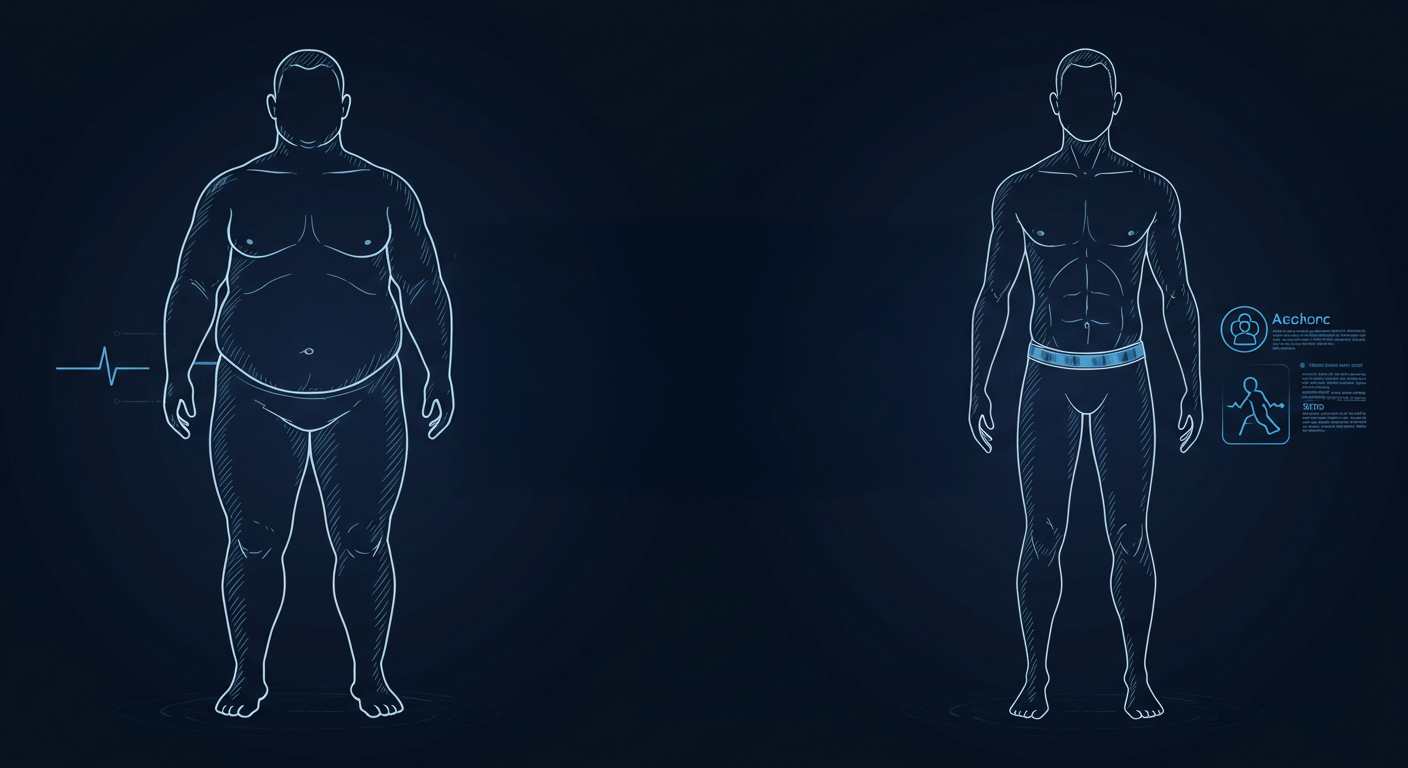
- Patients can lose approximately 50-60% of excess weight during the first year.
- Rapid weight loss occurs in the first three months.
- Weight gradually stabilizes in subsequent years.
Improvement in Obesity-Related Conditions:
- Gastric sleeve can significantly improve type 2 diabetes, blood pressure, and cardiovascular health.
Positive Psychological Effects:
- Patients often experience improved self-esteem and overall quality of life.
Suitable Candidates for Gastric Sleeve Surgery
Choosing the right candidates is crucial for the success of the procedure.
BMI and Health Criteria:
- Generally, individuals with a BMI over 40 are suitable candidates.
- Those with a BMI between 35–40 may also qualify if they have obesity-related health conditions.
Health Conditions That Benefit from Surgery:
- Type 2 diabetes, hypertension, and heart disease often improve or resolve after weight loss from surgery.
Preoperative Evaluations:
- Comprehensive medical assessment including blood tests, heart and lung exams.
- Psychological evaluation to ensure readiness for lifestyle changes.
Unsuitable Candidates:
- Patients with severe health problems or inability to comply with post-surgery lifestyle changes.
Steps of Gastric Sleeve Surgery
Preparation:
- Complete medical evaluation
- Preoperative diet (reduce sugar and fat, increase protein)
- Lab and imaging tests
Surgical Procedure:
- Performed laparoscopically using specialized tools for precision and minimal recovery time
Initial Recovery in Hospital:
- Patients are monitored closely for health status and complications
Returning to Normal Life:
- Gradual reintroduction of food and adherence to dietary and exercise guidelines
Returning to Normal Life:
- Clear Liquids: Water, clear broths, sugar-free tea/coffee (first 2–3 days)
- Full Liquids: Creamy soups, yogurt, sugar-free juices
- Pureed Foods: Soft vegetables, pureed meats, cooked grains
- Soft Foods: Cooked fish, tender chicken, cooked vegetables
- Regular Foods: Gradual return after ~2 months, focusing on protein and vegetables
Avoid: Sugary foods, soda, fried foods
Supplements: Vitamins and minerals as advised by the doctor
Exercise and Physical Activity After Surgery
- Physical activity is essential for maintaining weight loss
- Light exercises like walking can start 1–2 weeks post-surgery
- Gradually progress to strength and resistance training
- Build a sustainable exercise routine for long-term results
Potential Risks and Complications
Short-term: Bleeding, infection, staple line leakage
Long-term: Vitamin/mineral deficiencies, acid reflux
Prevention: Follow doctor’s instructions, healthy diet, regular exercise
When to Consult a Doctor:
- Severe pain, bleeding, fever, or unusual symptoms
Short-term: Bleeding, infection, staple line leakage
Conclusion
Gastric sleeve surgery is an effective procedure for healthy weight loss. It reduces stomach size, limits food intake, and positively affects physical and mental health. It can improve obesity-related conditions such as diabetes and hypertension. Success depends on strict adherence to dietary and lifestyle changes post-surgery. Consulting a specialist is essential to determine if this procedure is suitable.