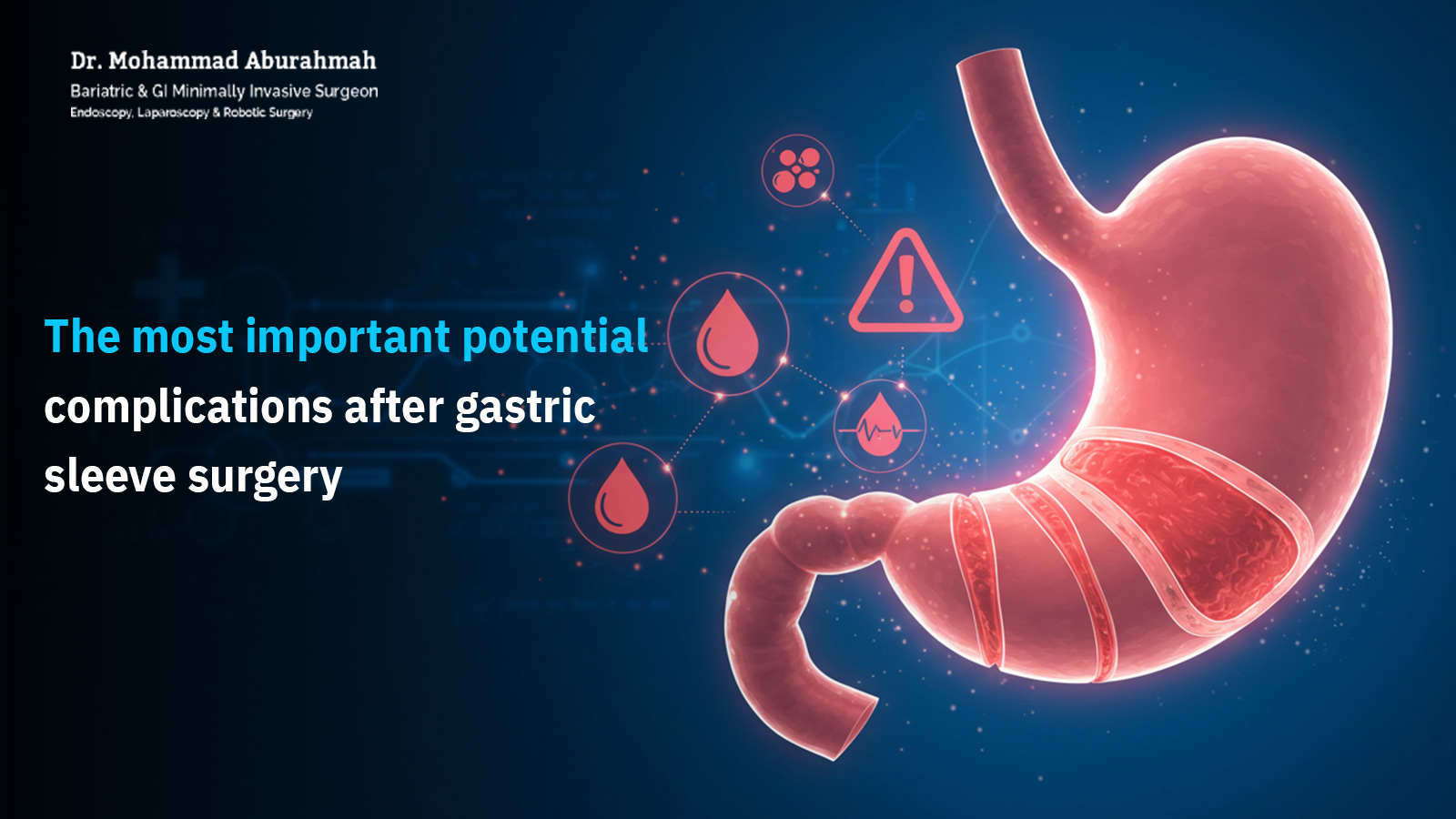
Considering gastric sleeve surgery can be a life-changing decision, but it's crucial to understand the potential risks involved. As with any major surgical procedure, there are complications that can arise, and being informed is key to making the right choice for your health.
Understanding the potential complications and risks associated with this surgery is vital. While many people have successful outcomes, being aware of the possible side effects can help you prepare and make informed decisions about your care.
Key Takeaways
- Understanding the risks associated with gastric sleeve surgery is crucial.
- Potential complications can arise, as with any major surgery.
- Being informed helps in making the right health decisions.
- Many people have successful outcomes from the surgery.
- Awareness of possible side effects is key to preparation.
Understanding Gastric Sleeve Surgery
Gastric sleeve surgery, also known as sleeve gastrectomy, is a surgical procedure that involves removing a large portion of the stomach, leaving a narrow 'sleeve' or tube-like stomach. This operation is considered for individuals who are obese and have not seen significant weight loss through other means.
What is Gastric Sleeve Surgery?
Gastric sleeve surgery is a less invasive surgical option for weight loss compared to other bariatric surgeries. It involves a permanent reduction of the stomach size, which can lead to significant weight loss and improvement in obesity-related health issues.
The procedure is typically performed laparoscopically, meaning it requires smaller incisions. This approach can lead to potentially fewer complications and a quicker recovery. Understanding the health implications of this surgery is crucial for making an informed decision.
How Does It Work?
The surgery works by reducing the stomach size, which in turn reduces the amount of food a person can consume before feeling full. This leads to weight loss due to reduced caloric intake. The reduction in stomach size also has implications for post-operative effects, as patients need to adapt to a new eating pattern.
Additionally, the part of the stomach that produces the hunger hormone, ghrelin, is often removed or reduced, which can lead to a decrease in hunger. This hormonal change contributes to the overall surgical outcomes, helping patients achieve their weight-loss goals.
| Aspect | Description | Benefit |
|---|---|---|
| Surgical Method | Laparoscopic surgery with smaller incisions | Less invasive, potentially fewer complications |
| Stomach Reduction | Permanent reduction of stomach size | Reduced food intake, weight loss |
| Hormonal Impact | Reduction or removal of ghrelin-producing stomach portion | Decreased hunger |
Common Side Effects After Surgery
The journey to a healthier weight through gastric sleeve surgery can be accompanied by several common side effects. Understanding these potential adverse reactions is crucial for managing expectations and ensuring a smooth recovery.
Nausea and Vomiting
Nausea and vomiting are among the most frequently reported side effects following gastric sleeve surgery. These symptoms can be attributed to the body's reaction to the changes in the digestive system. "Nausea and vomiting are typical in the first few weeks post-surgery," notes a leading bariatric surgeon. "However, with proper dietary adjustments, these symptoms can be effectively managed."
To mitigate nausea and vomiting, patients are often advised to follow a strict dietary regimen, starting with liquids and gradually progressing to solid foods. It's essential to stay hydrated and avoid foods that can trigger or exacerbate these symptoms.
Fatigue and Weakness
Feeling tired or weak after surgery is common due to the body's response to the trauma of the operation and the significant changes in nutrient intake. The risks associated with fatigue include potential nutritional deficiencies if the post-operative diet is not well-planned.
Patients are advised to listen to their bodies and rest when needed. A balanced diet rich in essential nutrients can help alleviate fatigue. It's also crucial to follow the recommended dietary guidelines provided by healthcare professionals to minimize the post-operative effects.
Changes in Bowel Habits
Changes in bowel habits, including constipation or diarrhea, are other common side effects. These changes can be due to the altered anatomy of the digestive system and changes in diet. Maintaining a high-fiber diet and staying hydrated can help manage these symptoms.
It's also important for patients to be aware of the potential for gastrointestinal complications and to discuss any concerns with their healthcare provider. By understanding the possible side effects and taking proactive steps, individuals can better navigate their recovery journey.

Long-Term Side Effects to Consider
As patients consider gastric sleeve surgery, it's essential to examine the potential long-term side effects and safety concerns. Gastric sleeve surgery is a significant decision that impacts not only your weight but also your overall health in the long run.
While gastric sleeve surgery can lead to substantial weight loss and improvement in obesity-related conditions, it's crucial to be aware of the potential long-term complications. These complications can affect your nutritional health and overall well-being.
Nutritional Deficiencies
After gastric sleeve surgery, patients are at risk of developing nutritional deficiencies due to the reduced size of their stomach. This reduction can lead to inadequate absorption of essential vitamins and minerals.
Patients may need to take supplements to compensate for these deficiencies. Common deficiencies include:
- Vitamin B12 deficiency
- Iron deficiency
- Calcium deficiency
- Vitamin D deficiency
Regular follow-up with a healthcare provider is vital to monitor and manage these deficiencies effectively.
Gastroesophageal Reflux Disease (GERD)
Gastroesophageal reflux disease (GERD) is another potential long-term side effect of gastric sleeve surgery. GERD occurs when stomach acid frequently flows back into the tube connecting your mouth and stomach (esophagus).
Symptoms of GERD include:
- Heartburn
- Chest pain
- Difficulty swallowing
| Condition | Symptoms | Management |
|---|---|---|
| Nutritional Deficiencies | Fatigue, weakness, neurological problems | Supplements, dietary changes |
| GERD | Heartburn, chest pain, difficulty swallowing | Medications, lifestyle changes |
Managing Side Effects Effectively
After undergoing gastric sleeve surgery, managing side effects is crucial for a smooth recovery and achieving the desired surgical outcomes. By understanding how to handle potential adverse reactions, individuals can minimize risks and ensure their safety throughout the recovery process.
Dietary Changes
One of the most effective ways to manage side effects after gastric sleeve surgery is through dietary changes. Initially, patients are advised to follow a liquid diet, gradually progressing to soft foods and eventually to a normal, balanced diet. This progression helps in reducing the risk of complications and safety concerns.
- Stay hydrated by drinking plenty of water.
- Avoid high-calorie, high-fat, or high-sugar foods.
- Eat smaller, more frequent meals to ease digestion.
Importance of Follow-Up Care
Regular follow-up care is vital for monitoring the patient's recovery and addressing any side effects promptly. Healthcare providers can offer guidance on managing side effects, adjusting the diet as needed, and identifying any potential complications early on.
| Follow-Up Care Aspect | Description | Benefits |
|---|---|---|
| Regular Check-Ups | Monitoring patient's recovery progress. | Early detection of complications. |
| Dietary Guidance | Adjusting diet based on patient's needs. | Reducing risk of nutritional deficiencies. |
| Support and Counseling | Providing emotional support and counseling. | Enhancing mental well-being and coping strategies. |
Support Groups and Counseling
Joining support groups or seeking counseling can be incredibly beneficial for individuals undergoing gastric sleeve surgery. These resources provide emotional support, helping patients cope with the psychological aspects of their journey and manage any adverse reactions to the surgery.
By combining dietary changes, follow-up care, and support groups or counseling, individuals can effectively manage the side effects of gastric sleeve surgery and achieve a successful surgical outcome.
When to Contact Your Doctor
After gastric sleeve surgery, it's crucial to be aware of the potential risks and health implications that may arise. Understanding the post-operative effects and recognizing serious symptoms can help you seek medical attention when necessary.
Importance of Medical Advice
Your doctor can provide guidance on managing post-operative effects and addressing any concerns you may have. Regular follow-up care and being aware of the potential health implications can help minimize risks and ensure a smooth recovery.
By being informed and proactive, you can reduce the risks associated with gastric sleeve surgery and achieve a successful outcome. If you're unsure about any aspect of your recovery, don't hesitate to reach out to your healthcare provider for advice.
FAQ
Common short-term side effects include nausea, vomiting, fatigue, weakness, and changes in bowel habits. These symptoms are typically temporary and resolve on their own within a few weeks.
Yes, gastric sleeve surgery can lead to nutritional deficiencies if not managed properly. It's essential to follow a balanced diet and take supplements as recommended by your doctor to minimize the risk of deficiencies.
Managing GERD after gastric sleeve surgery involves making lifestyle changes, such as avoiding trigger foods, eating smaller meals, and elevating the head of your bed. Your doctor may also recommend medications to help alleviate symptoms.
Signs of serious complications include severe abdominal pain, vomiting blood, fever, and difficulty breathing. If you experience any of these symptoms, seek medical attention immediately.
Follow-up care is crucial after gastric sleeve surgery. Regular check-ups with your doctor help monitor your progress, address any concerns, and prevent potential complications.
Yes, support groups and counseling can be incredibly helpful in managing the emotional aspects of gastric sleeve surgery. They provide a safe space to share experiences, receive guidance, and connect with others who have undergone similar procedures.
While gastric sleeve surgery is generally safe, there are potential long-term risks, including nutritional deficiencies, GERD, and potential complications related to the surgery. Regular follow-up care and a healthy lifestyle can help minimize these risks.
To minimize the risk of adverse reactions, it's essential to follow your doctor's instructions, attend follow-up appointments, and make healthy lifestyle choices, including a balanced diet and regular exercise.